
Ex–Haridwar / Rishikesh / Dehradun Airport
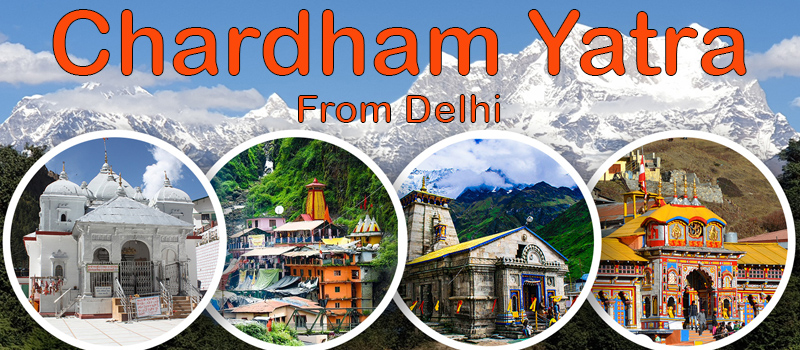
The Char Dham Yatra of Uttarakhand — comprising Yamunotri, Gangotri, Gaumukh, Kedarnath, and Badrinath — is one of the holiest pilgrimages in India. This sacred journey through the Garhwal Himalayas is believed to cleanse the soul and grant moksha (liberation). Each destination holds deep mythological significance, natural splendor, and centuries-old spiritual tradition.
🌄 Mussoorie – The Queen of Hills
💦 Kempty Fall – Refreshing cascades surrounded by lush greenery
🕉️ Shiv Gufa – A serene and sacred cave temple
🛕 Kashi Vishwanath Temple (Uttarkashi) – Divine peace by the Bhagirathi River
🌿 Harsil Valley – A hidden Himalayan paradise
🏞️ Chopta – Mini Switzerland of Uttarakhand
🌊 Panch Prayag – The confluence of sacred rivers
🏔️ Joshimath – Gateway to Badrinath
⛷️ Auli – India’s premier ski destination
🚶 Govindghat – Starting point of the Valley of Flowers trek
🏡 Mana Village – The last Indian village near the Indo-Tibet border
🌅 Devprayag – Where Alaknanda meets Bhagirathi to form the Ganga
🕉️ Rudraprayag – A divine junction of rivers Mandakini & Alaknanda
🧘 Rishikesh – The Yoga Capital of the World
Distance/Time: ~210 km / 7–8 hrs
Drive from Haridwar via the beautiful hill station of Mussoorie, visiting Mussoorie Lake and Kempty Falls en route. On arrival at Barkot, check in to your hotel and relax after the long journey.
Overnight stay in Barkot.
Distance/Time: ~36 km drive + 6 km trek (each side)
Early morning drive to Jankichatti / Phoolchatti, the starting point of the Yamunotri trek. Begin your trek to Yamunotri Temple. After a holy dip in Tapt Kund and darshan of Goddess Yamuna, trek back and return by road to Barkot.
Overnight stay in Barkot.
Distance/Time: ~100 km / 4 hrs
After breakfast, drive to Uttarkashi, visiting the sacred Shiv Gufa en route. On arrival, visit the renowned Kashi Vishwanath Temple and check in to your hotel.
Overnight stay in Uttarkashi.
Drive: ~100 km / 4 hrs | Trek: ~14 km / 6–7 hrs | Altitude: ~3,775 m
Early morning departure from Uttarkashi with a packed breakfast, driving through the scenic Harsil Valley, known for its deodar forests and stunning Himalayan views. On arrival at Gangotri, take a holy dip in the sacred Bhagirathi River and perform darshan and pooja at Gangotri Temple.
After some rest, begin the trek to Bhojbasa around 11:00 AM via Chirbasa. The trail follows the Bhagirathi River and gradually turns into a rugged high-altitude landscape. On reaching Bhojbasa, camps are set up near the river. Evening is free to relax and enjoy a mesmerizing sunset over the Bhagirathi peaks.
Overnight stay in camps at Bhojbasa.
Trek Distance: ~8 km (round trip) | Altitude: ~3,890 m / 12,760 ft
After breakfast, enjoy panoramic views of the majestic Bhagirathi peaks. Begin your trek to Gaumukh Glacier, the sacred source of the River Ganga. The name “Gaumukh” is derived from the glacier’s shape, which once resembled a cow’s mouth.
Spend time exploring the glacier area and soaking in the serene spiritual atmosphere before trekking back to Bhojbasa.
Overnight stay in camps at Bhojbasa.
Trek: ~14 km / 6–7 hrs | Drive: ~100 km / 4 hrs
After breakfast, trek downhill from Bhojbasa to Gangotri. On arrival, continue your journey by road to Uttarkashi. Check in to your hotel and relax after the long journey.
Overnight stay in Uttarkashi.
Distance/Time: ~220 km / 8–9 hrs
Drive to Guptkashi, following the scenic route along the Mandakini River. On arrival, visit the sacred Ardh Narishwar Temple, symbolizing the divine unity of Lord Shiva and Goddess Parvati.
Overnight stay in Guptkashi.
Trek: ~18 km (from Gaurikund) | Altitude: ~3,583 m
Early morning, proceed to Sonprayag and then Gaurikund, the base for the Kedarnath trek. Begin the trek on foot or opt for a pony/doli (at own cost). After darshan at Kedarnath Temple, check in near the temple.
Overnight stay in Kedarnath.
Early morning pooja and darshan at Kedarnath Temple. After breakfast, trek down to Gaurikund and continue by road to Guptkashi.
Weather Note: Kedarnath remains cool even in summer (8–20°C), while winters bring heavy snowfall.
Overnight stay in Guptkashi.
Distance/Time: ~220 km / 9–10 hrs
After breakfast, drive to Badrinath, the most revered of the four Dhams. On arrival, take a holy dip in Tapt Kund and attend the evening aarti at Badrinath Temple.
Nearby attractions include Mana Village, Vyas Gufa, Bhim Pul, and Charan Paduka.
Overnight stay in Badrinath.
Distance/Time: ~160 km / 7 hrs
After breakfast, visit the sacred Narsingh Temple in Joshimath, the winter seat of Lord Badrinath. Continue the drive to Rudraprayag, the holy confluence of the Mandakini and Alaknanda rivers.
Overnight stay in Rudraprayag.
Distance/Time: ~165 km / 5–6 hrs
After breakfast, drive to Rishikesh. Visit Laxman Jhula, Ram Jhula, and nearby temples. Later, proceed to Haridwar / Dehradun Airport for departure.
Tour ends with divine blessings.
| Persons | Car | Rooms | Deluxe (₹) | Luxury (₹) | Premium (₹) |
|---|---|---|---|---|---|
| 2 | Dzire | 1 | 42930 | 48330 | 59886 |
| 3 | Dzire | 1 | 33813 | 38673 | 48947 |
| 4 | Ertiga | 2 | 36450 | 41850 | 53406 |
| 5 | Ertiga | 2 | 32276 | 37352 | 48139 |
| 6 | Ertiga | 3 | 31050 | 36450 | 48006 |
| 4 | 6-Seater Crysta | 2 | 39690 | 45090 | 56646 |
| 5 | 6-Seater Crysta | 2 | 34868 | 39944 | 50731 |
| 6 | 6-Seater Crysta | 3 | 33210 | 38610 | 50166 |
| 7 | 12-Seater Tempo | 3 | 33468 | 38637 | 49644 |
| 8 | 12-Seater Tempo | 4 | 32400 | 37800 | 49356 |
| 9 | 12-Seater Tempo | 4 | 30531 | 35751 | 46880 |
| 10 | 12-Seater Tempo | 5 | 29970 | 35370 | 46926 |
| 11 | 12-Seater Tempo | 5 | 28662 | 33914 | 45121 |
| 12 | 12-Seater Tempo | 6 | 28350 | 33750 | 45306 |
Note: Rates are subject to availability. GST extra applicable.